How to Choose the Perfect Teapot: A Complete Guide
How to Choose the Perfect Teapot: A Complete Guide
A good teapot is more than just a vessel — it's the heart of your tea-making ritual. Whether you're brewing for one or hosting afternoon tea, choosing the right teapot can make all the difference in your tea experience. Here's your complete guide to finding the perfect teapot.
Why Your Teapot Matters
Your teapot affects:
- Heat retention: Keeps your tea at the right temperature
- Tea flavor: Material can influence taste
- Brewing quality: Shape and design affect how tea steeps
- Experience: A beautiful teapot enhances the ritual
Types of Teapots by Material
Ceramic Teapots
Pros:
- Excellent heat retention
- Doesn't affect tea flavor
- Beautiful, traditional appearance
- Variety of designs and colors
Cons:
- Can break if dropped
- Needs pre-warming (pour hot water in first)
Best for: Most tea types, daily use, traditional tea service
Porcelain Teapots
Pros:
- Very elegant and refined
- Doesn't affect flavor
- Classic afternoon tea aesthetic
- Easy to clean (non-porous)
Cons:
- More fragile than ceramic
- Can be expensive
- Needs careful handling
Best for: Special occasions, afternoon tea, elegant presentation
Glass Teapots
Pros:
- Beautiful to watch tea steep
- Doesn't affect flavor
- Shows off the color of your tea
- Easy to see when tea is ready
Cons:
- Less heat retention than ceramic
- Can break if dropped
- May need a cozy to keep warm
Best for: Green and white teas, visual appeal, modern aesthetics
Cast Iron Teapots (Tetsubin-style)
Pros:
- Excellent heat retention
- Keeps tea warm for a long time
- Unique, rustic aesthetic
- Very durable
Cons:
- Heavy (can be difficult to pour)
- Requires careful maintenance to prevent rust
- Can be expensive
Best for: Black teas, keeping tea hot for long periods
Stainless Steel Teapots
Pros:
- Very durable (won't break)
- Modern appearance
- Easy to clean
- Often inexpensive
Cons:
- Less heat retention than ceramic
- Can affect flavor slightly
- Less traditional aesthetic
Best for: Everyday use, durability, modern kitchens
Clay Teapots (Yixing, etc.)
Pros:
- Porous clay absorbs tea flavors over time
- Creates unique flavor profiles
- Traditional and artisanal
- Excellent for specific tea types
Cons:
- Should be dedicated to one tea type
- Requires special care
- Can be expensive
- Need "seasoning" (using with same tea repeatedly)
Best for: Serious tea enthusiasts, specific tea types, traditional brewing
Size: How Much Tea Do You Make?
1-2 Cups (10-16 oz):
- Personal teapots
- Good for one person or a small serving
- Great for trying new teas
3-4 Cups (24-32 oz):
- Standard size
- Good for serving 2-3 people
- Most versatile size
5-6 Cups (40-48 oz):
- Large teapots
- Good for groups or families
- Great for entertaining
7+ Cups (56+ oz):
- Extra large
- For parties and large groups
- Often used for events
Tip: A 4-cup teapot actually makes about 3 full cups (teapot measurements are smaller than standard cups).
Key Features to Consider
Built-in Infuser/Strainer
Built-in strainer:
- Mesh basket or holes at spout
- Keeps leaves out of your cup
- Very convenient
- Easy to clean
No built-in strainer:
- Use a separate infuser or strainer
- More flexibility
- Can use any type of infuser
Spout Design
Gooseneck spout:
- Precise pouring
- Less dripping
- Better control
Traditional spout:
- Standard design
- Works well for most needs
Tip: Look for a spout that pours cleanly without dripping.
Handle
Traditional handle:
- Side handle (most common)
- Easy to hold
- Good balance
French press style:
- Top handle
- Different pouring angle
- Modern aesthetic
Tip: Make sure the handle stays cool when the pot is full of hot tea.
Lid
Secure lid:
- Should fit snugly
- Hinge or separate lid
- Hinge is more convenient
Air vent:
- Some teapots have small air vents
- Helps with pouring
- Prevents dripping
Design Elements
Visual appeal:
- Choose something you love looking at!
- Matches your aesthetic
- Enhances the tea ritual
Choosing by Tea Type
Black Tea
- Best: Ceramic or porcelain (excellent heat retention)
- Size: Standard 3-4 cups
- Note: Keep black tea hot
Green Tea
- Best: Glass or ceramic (shows color, doesn't affect flavor)
- Size: Smaller 1-2 cups (green tea is often enjoyed in smaller amounts)
- Note: Glass teapots let you see the beautiful green color
White Tea
- Best: Glass or porcelain (delicate flavors need neutral material)
- Size: Small to medium
- Note: Subtle flavors need proper brewing
Oolong Tea
- Best: Clay (traditional) or ceramic
- Size: Small gaiwan or standard teapot
- Note: Oolong benefits from specific brewing vessels
Herbal Tea
- Best: Any material (less sensitive)
- Size: Your preference
- Note: Less critical, but quality still matters
Where to Buy Teapots
Teapots are available at:
- Tea specialty shops
- Kitchen supply stores
- Online retailers
- Antique shops (vintage teapots!)
- Gift shops
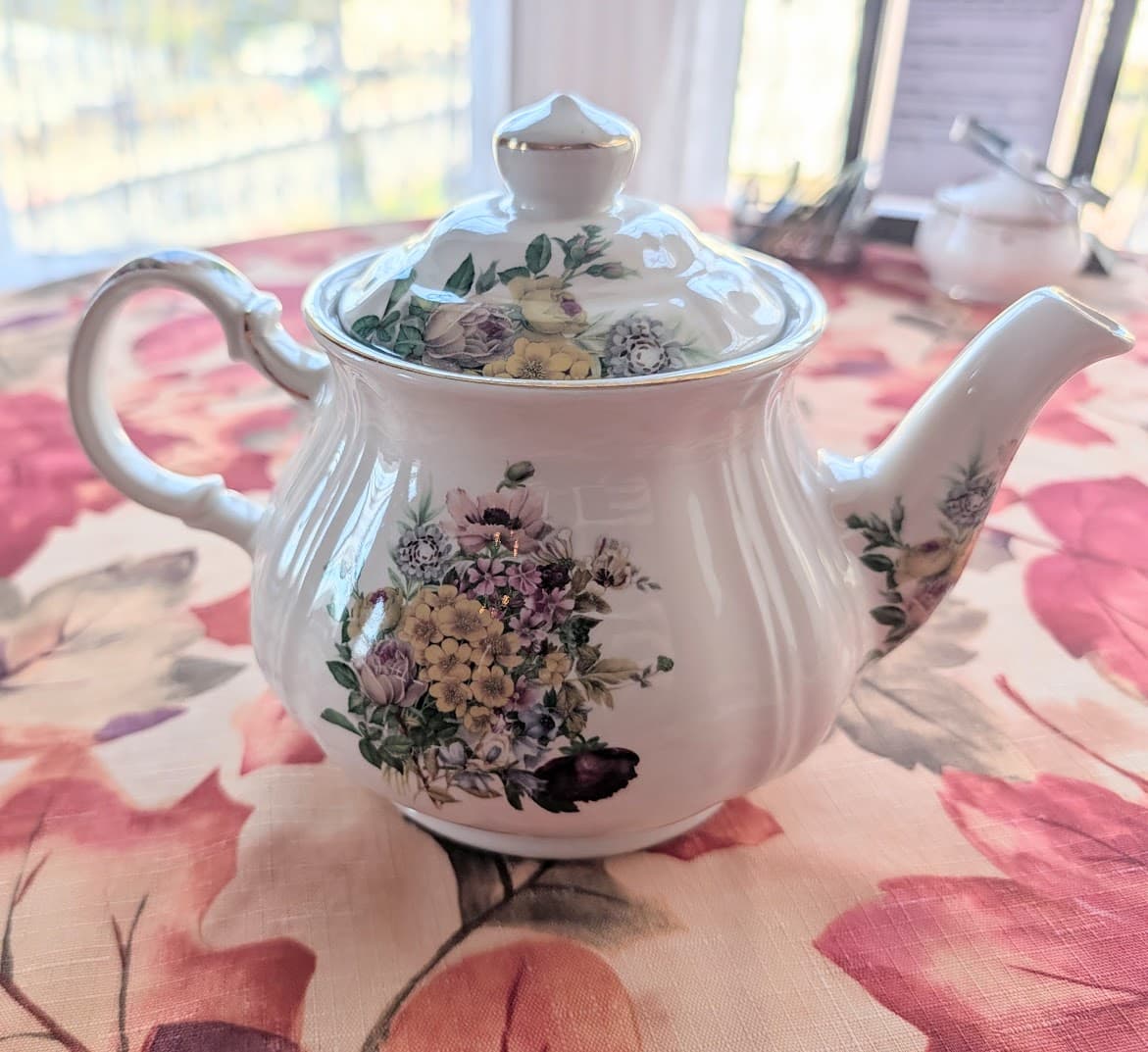
At The Tea Trolley, we use fine English china teapots for our service, creating the elegant Victorian atmosphere that makes our tea experience special.
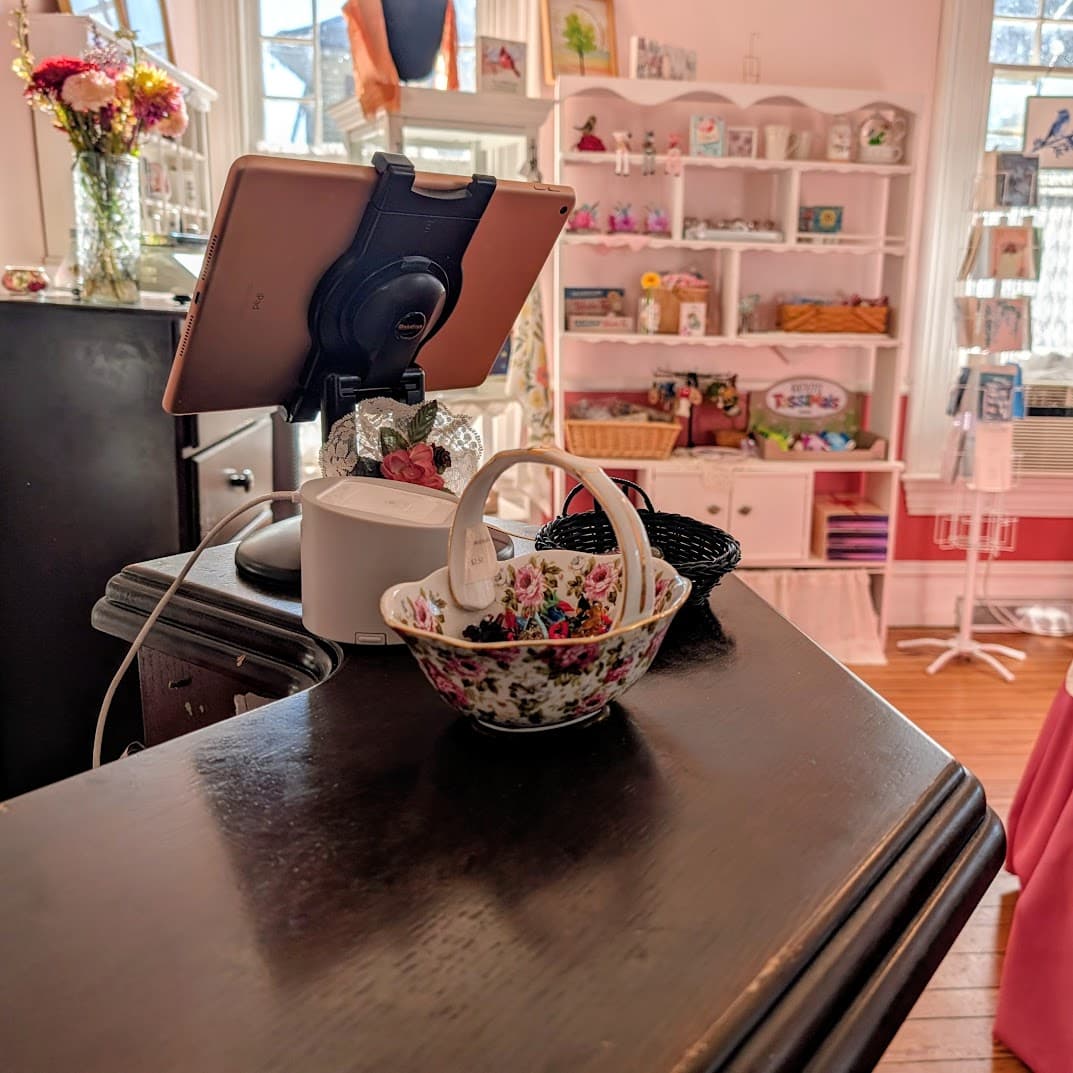
Future note: We're planning to add teapots and other tea accessories to our gift shop). Keep an eye out for updates, or visit our gift shop) in person to see our current selection!
Care and Maintenance
Cleaning:
- Rinse with hot water after each use
- Hand wash with mild soap (avoid harsh detergents)
- Dry thoroughly
- Some teapots are dishwasher-safe (check manufacturer instructions)
Stain removal:
- Tea stains are common and usually harmless
- Baking soda paste can help remove stains
- Some people prefer the "seasoned" look of a stained teapot
Storage:
- Store with lid off (allows air circulation)
- In a dry place
- Protect from dust
Budget Considerations
Budget ($15-30):
- Basic ceramic or stainless steel
- Simple but functional
- Great for beginners
Mid-range ($30-75):
- Quality ceramic or porcelain
- Better materials and craftsmanship
- More variety in design
Premium ($75+):
- Fine porcelain or cast iron
- Artisanal or antique pieces
- Heirloom quality
Remember: A good mid-range teapot can last decades with proper care!
Final Tips for Choosing
1. Consider your tea habits: Do you drink tea daily? For how many people?
2. Think about storage: Do you have space for multiple teapots?
3. Start simple: A good ceramic teapot works for most teas
4. Invest in quality: A well-made teapot will last years
5. Choose what you love: You'll use it more if you enjoy looking at it!
Table of Contents
Shop Tea Pots
Browse tea pots in our online gift shop — the same curated selection we serve in our Victorian tea room.
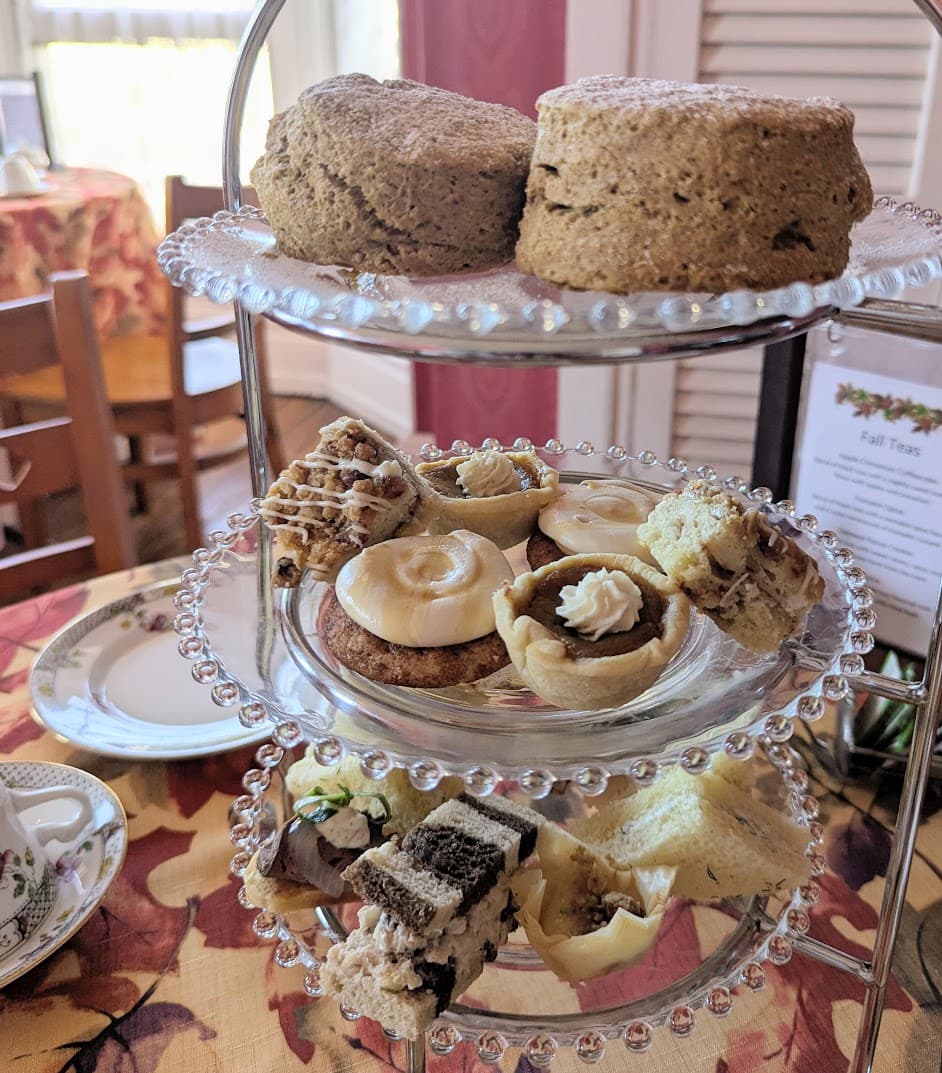
Experience Traditional Afternoon Tea in Delta, Pennsylvania
Learn about afternoon tea — then experience it for yourself at The Tea Trolley, a historic Victorian tea room in Delta, PA.