Complete Guide to Afternoon Tea: History, Etiquette & Traditions
Table of Contents
What Is Afternoon Tea?
Afternoon tea is a British tradition that began in the 1840s, featuring tea served with light refreshments like sandwiches, scones, and pastries. It's typically served between 3-5 PM and is meant to be a social, leisurely experience rather than a full meal.
At its heart, afternoon tea is about taking a pause in your day to enjoy good company, delicious treats, and a perfectly brewed cup of tea. It's a ritual that encourages conversation, relaxation, and appreciation of the finer things in life.
Key Characteristics of Afternoon Tea:
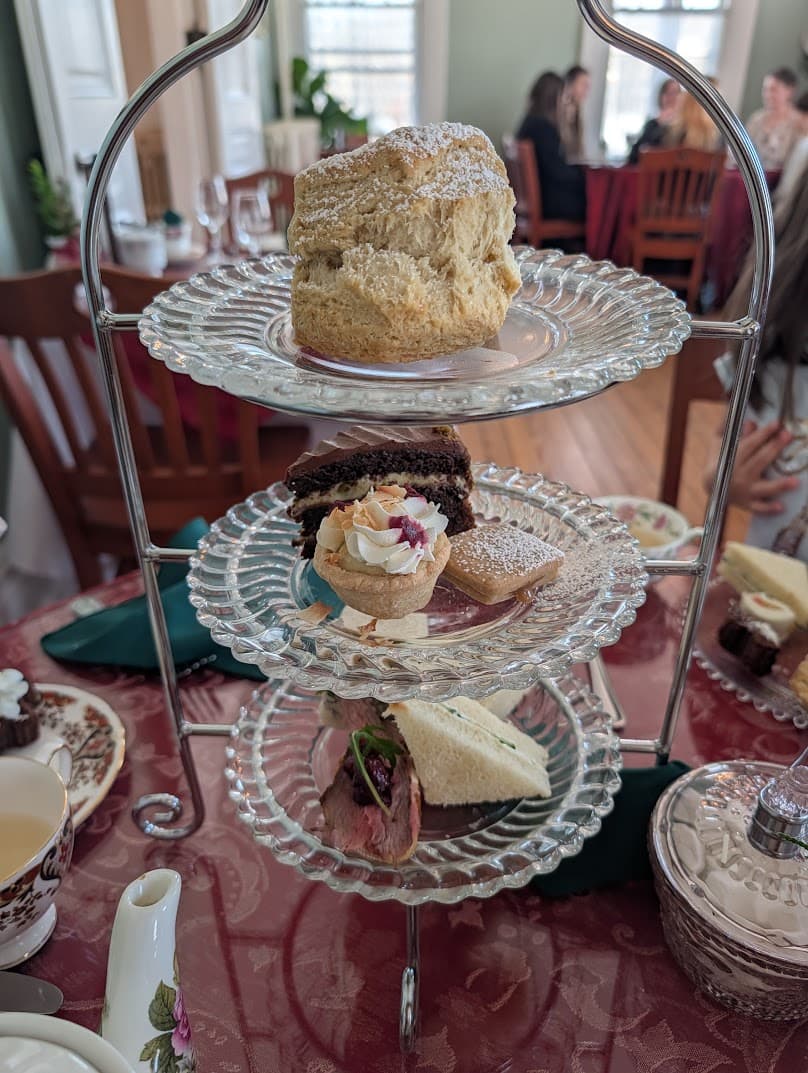
- Served on a three-tiered tray with savories, scones, and sweets
- Each person receives their own pot of loose-leaf tea
- Meant to be enjoyed at a leisurely pace (90 minutes to 2 hours)
- Traditionally served with fine china and elegant presentation
The History of Afternoon Tea
Afternoon tea was invented by Anna, the Duchess of Bedford, in the early 1840s. During this time, it was common for the upper class to eat only two meals a day: a late breakfast and a very late dinner (around 8 PM). The Duchess found herself feeling hungry and "sinking" in the late afternoon.
To solve this problem, she began requesting tea, bread, butter, and cake to be brought to her room in the late afternoon. This small meal became so enjoyable that she began inviting friends to join her, and the tradition of afternoon tea was born.
The practice quickly spread among high society and became fashionable throughout England. By the 1880s, afternoon tea had become an established social ritual, complete with specific etiquette, elaborate tea services, and elegant tea rooms. Learn more about this fascinating history in our detailed history of Victorian afternoon tea.
Afternoon Tea vs High Tea
Despite common confusion, afternoon tea and high tea are two very different traditions. Understanding the difference helps you appreciate the elegance and history of afternoon tea.
Afternoon Tea
- • Elegant social ritual
- • Served on tiered trays
- • Light refreshments (sandwiches, scones, sweets)
- • Served 3-5 PM
- • Upper class tradition
- • Served at low lounge tables
High Tea
- • Working class evening meal
- • Hearty fare (meats, breads, pies)
- • Substantial, filling food
- • Served 5-7 PM
- • After-work meal
- • Served at high dinner table
The name "high tea" comes from the height of the table it was served on, not its elegance. For a deeper dive into this distinction, read our complete guide to afternoon tea vs high tea.
Traditional Afternoon Tea Menu
A traditional afternoon tea is served on a three-tiered stand, with each tier serving a specific purpose. The arrangement is both practical and beautiful, creating an elegant presentation that's become iconic.
Bottom Tier: Savories
The bottom tier typically features savory items:
- • Finger sandwiches (cucumber, egg salad, smoked salmon, chicken salad)
- • Small quiches or savory tarts
- • Miniature savory pastries
- • Sometimes warm savories like mini sausage rolls
Middle Tier: Scones
The middle tier is reserved for scones:
- • Freshly baked scones (plain, raisin, or fruit)
- • Clotted cream (a thick, rich cream)
- • Preserves or jam (strawberry is traditional)
- • Sometimes lemon curd
Top Tier: Sweets
The top tier showcases sweet treats:
- • Petits fours (small, decorated cakes)
- • Macarons
- • Miniature tarts and pastries
- • Chocolate truffles
- • Shortbread cookies
Each person also receives their own pot of loose-leaf tea, allowing everyone to choose their preferred blend. The tea is typically served with milk, sugar, and sometimes lemon, depending on the type of tea chosen.
Afternoon Tea Etiquette
While afternoon tea is meant to be enjoyable and relaxed, there are some traditional etiquette guidelines that can enhance your experience. These customs add to the elegance and charm of the ritual.
Tea Pouring Etiquette
- • Pour tea first, then add milk (if desired)
- • Hold the teapot lid while pouring
- • Don't overfill the cup (leave room for milk)
- • Stir gently without clinking the spoon
Eating Order
- • Start with savories (bottom tier)
- • Move to scones (middle tier)
- • Finish with sweets (top tier)
- • Take small bites and savor each item
Scone Etiquette
- • Break scones in half with your hands (don't cut with a knife)
- • Spread clotted cream first, then jam (or vice versa, depending on region)
- • Eat scones in small pieces
For a comprehensive guide to tea etiquette, including proper table manners and conversation topics, read our Tea Etiquette 101 guide.
How to Host Afternoon Tea at Home
Hosting afternoon tea at home is a wonderful way to bring friends and family together for a special occasion. With some planning and preparation, you can create an elegant tea experience in your own home.
Essential Elements for Hosting:
Tea Service
- • Teapot (one per person or share)
- • Tea cups and saucers
- • Tea strainer or infuser
- • Sugar bowl and creamer
- • Complete tea set
Food Preparation
- • Three-tiered stand
- • Finger sandwiches
- • Freshly baked scones
- • Clotted cream and preserves
- • Assorted sweets and pastries
For detailed step-by-step instructions, menu ideas, and hosting tips, check out our complete guide to hosting afternoon tea at home.
Choosing the Right Tea
The tea selection is central to the afternoon tea experience. Traditional afternoon tea typically features black teas, though you can offer a variety to suit different preferences.
Traditional Tea Choices:
- English Breakfast: A robust blend perfect for afternoon tea, often served with milk.
- Earl Grey: A classic black tea flavored with bergamot, elegant and aromatic.
- Darjeeling: A lighter, more delicate black tea with floral notes.
- Assam: A strong, malty black tea that pairs well with milk and sugar.
- Herbal Teas: Caffeine-free options like chamomile or peppermint for those who prefer them.
At The Tea Trolley, we serve only loose-leaf tea because it offers superior flavor and complexity. Learn more about choosing the best loose-leaf tea for afternoon tea.
Where to Experience Afternoon Tea
While you can certainly enjoy afternoon tea at home, experiencing it at a traditional tea room adds an extra layer of elegance and authenticity. A good tea room provides not just the food and tea, but the entire atmosphere and service that makes afternoon tea special.
At The Tea Trolley in Delta, Pennsylvania, we offer an authentic Victorian afternoon tea experience in a historic home setting. Our tea room features:
- Traditional three-tiered service with handcrafted savories, freshly baked scones, and from-scratch desserts
- Premium loose-leaf teas served in fine English china
- Historic Victorian home atmosphere with two-story dining
- Reservation-based service ensuring personalized attention
If you're new to afternoon tea, read our guide to what to expect on your first visit. We're located in Delta, PA, conveniently accessible from Bel Air, Baltimore, York, Lancaster, and surrounding areas.
Frequently Asked Questions
What is afternoon tea?
Afternoon tea is a British tradition that began in the 1840s, featuring tea served with light refreshments like sandwiches, scones, and pastries. It's typically served between 3-5 PM and is meant to be a social, leisurely experience rather than a full meal.
What is the difference between afternoon tea and high tea?
Afternoon tea is an elegant social ritual with tiered trays of savories, scones, and sweets served in the afternoon. High tea was originally the working class evening meal with hearty fare like meats, breads, and pies served at a high dinner table. Despite the name, "high tea" was actually the more casual meal.
What should I wear to afternoon tea?
Afternoon tea calls for smart casual attire - think of dressing for a nice lunch or tea party. A nice dress, blouse with slacks or skirt, or dressy casual separates work well. Many guests enjoy dressing up in "Sunday best" or tea party attire.
How long does afternoon tea take?
Afternoon tea typically takes 90 minutes to 2 hours. It's meant to be savored at a leisurely pace, not rushed. The experience includes multiple courses and is designed for conversation and relaxation.
What is included in afternoon tea?
A traditional afternoon tea includes a three-tiered tray with savories (tea sandwiches and small bites) on the bottom tier, freshly baked scones with clotted cream and preserves on the middle tier, and sweet pastries and desserts on the top tier. Each person receives their own pot of tea.
Table of Contents
Shop Tea Sets
Browse tea sets in our online gift shop — the same curated selection we serve in our Victorian tea room.
Related Articles
A Brief History of Victorian Afternoon Tea
What Is Afternoon Tea (and How It Differs from High Tea)
Tea Etiquette 101: How to Enjoy Afternoon Tea Like a Victorian Lady
How to Host an Afternoon Tea Party at Home
What to Expect on Your First Afternoon Tea Visit
Experience Traditional Afternoon Tea in Delta, Pennsylvania
Want to experience afternoon tea instead of making it at home? Visit The Tea Trolley, our Victorian tea room in Delta, Pennsylvania, serving guests from York, Lancaster, Baltimore, and Harford County.