How to Make Cold Brew Tea: A Simple, Refreshing Guide
How to Make Cold Brew Tea: A Simple, Refreshing Guide
Cold brew tea is one of the easiest, most forgiving ways to make delicious tea at home — and it produces a smoother, naturally sweeter cup than traditional hot brewing. If you've never tried cold brewing your tea, you're in for a treat.
Whether you're looking for a refreshing summer drink, a low-caffeine alternative, or simply a new way to enjoy your favorite loose leaf tea, cold brewing is a method worth adding to your routine.
What Is Cold Brew Tea?
Cold brew tea is exactly what it sounds like: tea brewed with cold or room-temperature water instead of hot water. Rather than steeping for a few minutes in boiling water, cold brew tea steeps slowly in the refrigerator — typically for 6 to 12 hours.
The result is a tea that tastes noticeably different from hot-brewed tea that's been cooled down. Cold water extracts flavor compounds more gently, which means fewer bitter tannins and a naturally smoother, sweeter taste.
Why Cold Brew Tea? The Benefits
There are several reasons cold brew tea has become so popular:
Smoother, less bitter flavor — Hot water extracts tannins quickly, which can make tea taste bitter or astringent (especially if oversteeped). Cold water extracts these compounds much more slowly, resulting in a naturally mellow, sweet cup.
Lower caffeine — Cold brewing extracts roughly 30-50% less caffeine than hot brewing. If you enjoy tea but are sensitive to caffeine, cold brew is a great option.
Almost impossible to oversteep — One of the biggest mistakes in hot tea brewing is steeping too long. With cold brew, the slow extraction process is very forgiving. Even if you leave it an extra hour or two, the flavor stays smooth.
Incredibly easy — No need to heat water, watch temperatures, or time your steep. Just add tea and water, put it in the fridge, and walk away.
Perfect for hot weather — Cold brew tea is naturally refreshing and makes an ideal warm-weather drink without the sugar and calories of sodas or sweetened iced teas.
What You Need
Cold brewing requires minimal equipment:
- Tea — Loose leaf tea produces the best results (the leaves have room to expand and release full flavor). Tea bags work too, but loose leaf is recommended for the best taste.
- Water — Cold or room-temperature filtered water. Good water makes good tea.
- A container — A glass pitcher, mason jar, French press, or any container with a lid. If using loose leaf tea, a pitcher with a built-in infuser or a separate tea infuser makes straining easier.
- Time — You'll need 6 to 12 hours of patience (the fridge does all the work).
That's it. No kettle, no thermometer, no timer.
How to Make Cold Brew Tea: Step by Step
Step 1: Measure Your Tea
Use about 1 to 1.5 tablespoons of loose leaf tea per 8 ounces of water. This is slightly more tea than you'd use for hot brewing, because cold water extracts flavor more slowly.
If you're using tea bags, use 2 tea bags per 8 ounces of water (or 4-6 bags for a full pitcher).
Step 2: Add Cold Water
Pour cold or room-temperature filtered water over the tea leaves. There's no need to heat the water at all — that's the beauty of cold brew.
Step 3: Refrigerate
Cover the container and place it in the refrigerator. Let it steep for:
- Green tea & white tea: 6-8 hours (or overnight)
- Black tea: 8-12 hours (or overnight)
- Oolong tea: 8-12 hours
- Herbal tea: 12+ hours (herbal teas often benefit from a longer steep)
Pro Tip: The easiest approach is to set it up before bed and let it brew overnight. By morning, your cold brew tea is ready.
Step 4: Strain and Serve
Remove the tea leaves or tea bags. If you used loose leaf tea without an infuser, pour the tea through a fine mesh strainer into your serving glass or pitcher.
Serve over ice if desired. Cold brew tea is delicious on its own, but you can also add:
- A squeeze of fresh lemon or lime
- A sprig of fresh mint
- A drizzle of honey or simple syrup
- Sliced fruit (peaches, berries, or citrus)
Best Teas for Cold Brewing
Almost any tea can be cold brewed, but some varieties shine especially well:
Green Tea
Green tea is arguably the best tea for cold brewing. The cold extraction brings out its natural sweetness and grassy, vegetal notes while keeping bitterness at bay. Jasmine green tea and sencha are particularly excellent cold brewed.
White Tea
Delicate white teas produce a light, subtly sweet cold brew. White peony and silver needle varieties create a beautiful, pale brew with floral and honeyed notes.
Black Tea
Cold brewed black tea is smooth and malty without the astringency that can come from hot brewing. Earl Grey makes a wonderful cold brew — the bergamot flavor becomes refreshingly citrusy. English Breakfast and Darjeeling also work beautifully.
Oolong Tea
Oolong cold brew is a hidden gem. The complex flavor profile of oolong — ranging from floral to fruity to toasty — translates beautifully to cold brew. Try a lighter, floral oolong for a delicate cold brew.
Herbal Tea
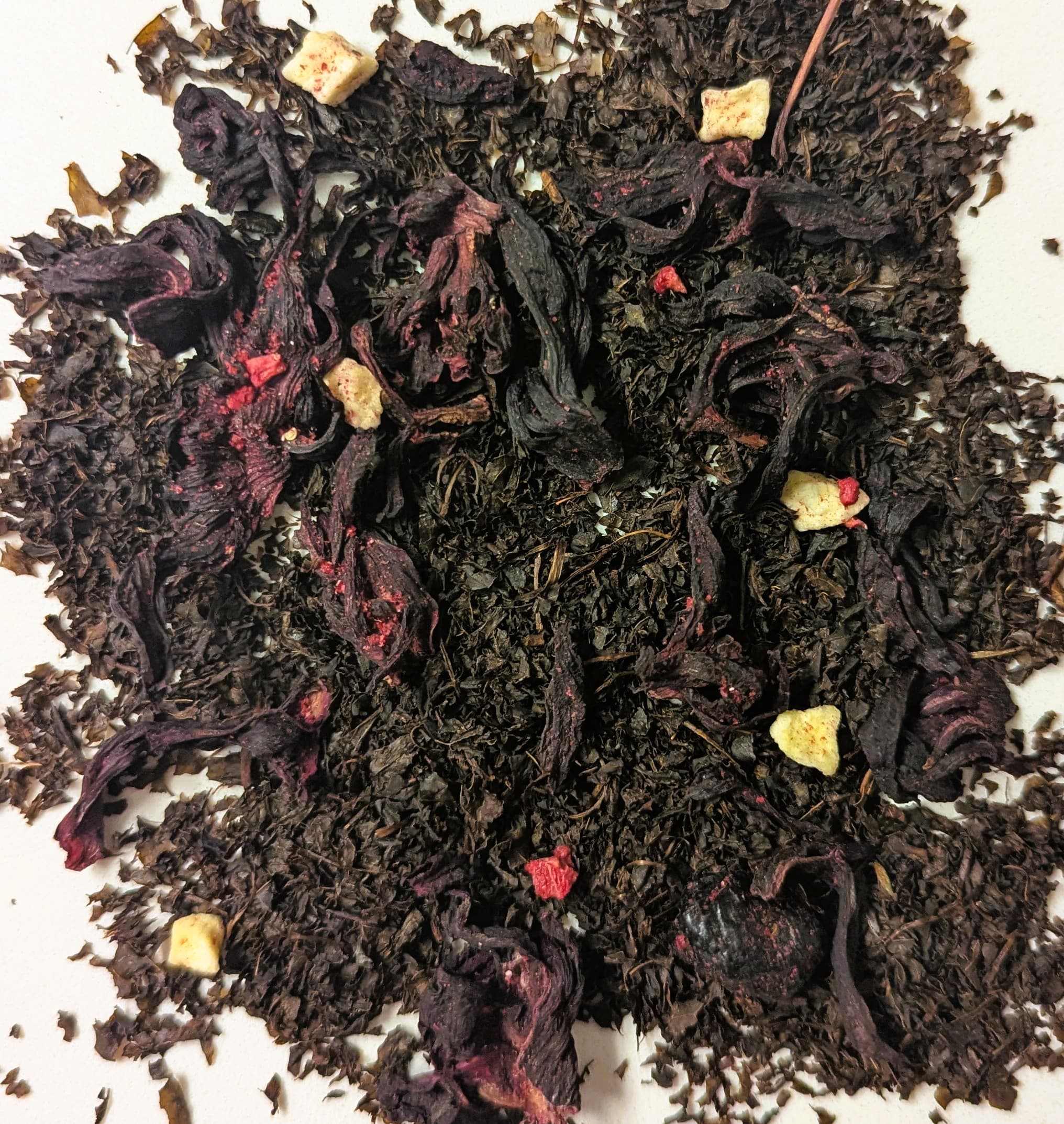
Fruit-forward herbal teas and tisanes make vibrant, naturally caffeine-free cold brews. Hibiscus produces a gorgeous deep red brew with tart, berry-like flavor. Peppermint and chamomile also cold brew nicely.
Flavored Teas
Flavored teas — like peach black tea, mango green tea, or berry blends — are fantastic for cold brewing. The flavoring comes through clearly and makes for a naturally sweet, refreshing drink without added sugar.
Cold Brew Tea Ratios at a Glance
| Tea Type | Amount per 8 oz | Steep Time | Flavor Profile |
|----------|-----------------|------------|----------------|
| Green Tea | 1 tbsp | 6-8 hours | Sweet, grassy, clean |
| White Tea | 1.5 tbsp | 6-8 hours | Light, floral, honeyed |
| Black Tea | 1 tbsp | 8-12 hours | Smooth, malty, bold |
| Oolong Tea | 1 tbsp | 8-12 hours | Complex, floral, fruity |
| Herbal Tea | 1.5 tbsp | 12+ hours | Varies by blend |
These are starting points — adjust the amount of tea and steeping time based on your taste. Want it stronger? Add more leaves or steep longer. Prefer a lighter brew? Use less tea or shorten the time.
Tips for the Best Cold Brew Tea
1. Use quality tea — Cold brewing amplifies the natural flavor of your tea. Higher-quality loose leaf tea will produce a noticeably better cold brew than dust-grade tea bags. The difference is especially clear in cold brew because there's nowhere for off-flavors to hide.
2. Use filtered water — Since cold brew tea is mostly water, the quality of your water matters. Filtered water produces the cleanest, best-tasting results.
3. Don't rush it — Resist the temptation to use warm water to speed things up. The slow, cold extraction is what gives cold brew its signature smooth flavor. Patience pays off.
4. Experiment with steep times — Start with the recommended times above, then adjust. Some people prefer a shorter steep for lighter flavor; others like a 24-hour steep for maximum intensity.
5. Make a big batch — Cold brew tea keeps well in the refrigerator, so make a full pitcher to enjoy throughout the week.
6. Try it with sparkling water — For a fun twist, strain your cold brew concentrate and top it with sparkling water for a tea spritzer.
Cold Brew Tea vs. Iced Tea: What's the Difference?
Many people confuse cold brew tea with iced tea, but they're made very differently and taste noticeably different.
Iced tea is made by hot-brewing tea at double strength, then pouring it over ice to chill and dilute it. This method is faster (ready in minutes), but the hot brewing process extracts more tannins and caffeine, which can result in a more bitter or astringent flavor.
Cold brew tea is never heated. The tea steeps in cold water for hours, extracting flavor gently. The result is smoother, less bitter, lower in caffeine, and naturally sweeter.
Both methods make delicious cold tea — but if you have the time, cold brew consistently produces a more refined, balanced cup.
How Long Does Cold Brew Tea Last?
Cold brew tea stays fresh in the refrigerator for 3 to 5 days when stored in a sealed container. After that, the flavor begins to fade and the tea can develop off-tastes.
For the best experience:
- Remove the tea leaves after steeping is complete (don't leave them in the pitcher)
- Store in a sealed container — a glass pitcher with a lid or mason jars work perfectly
- Keep refrigerated — cold brew tea should always be stored in the fridge
Ready to Try It?
Cold brew tea is one of those simple pleasures that's easy to start and hard to stop. Once you taste how smooth and naturally sweet it is compared to traditional iced tea, you may find yourself keeping a pitcher in the fridge at all times.
If you're looking for premium loose leaf teas to cold brew at home, explore our loose leaf tea buyer's guide for tips on choosing the best quality tea, or visit our tea equipment and brewing guide for everything you need to set up your perfect home tea station.
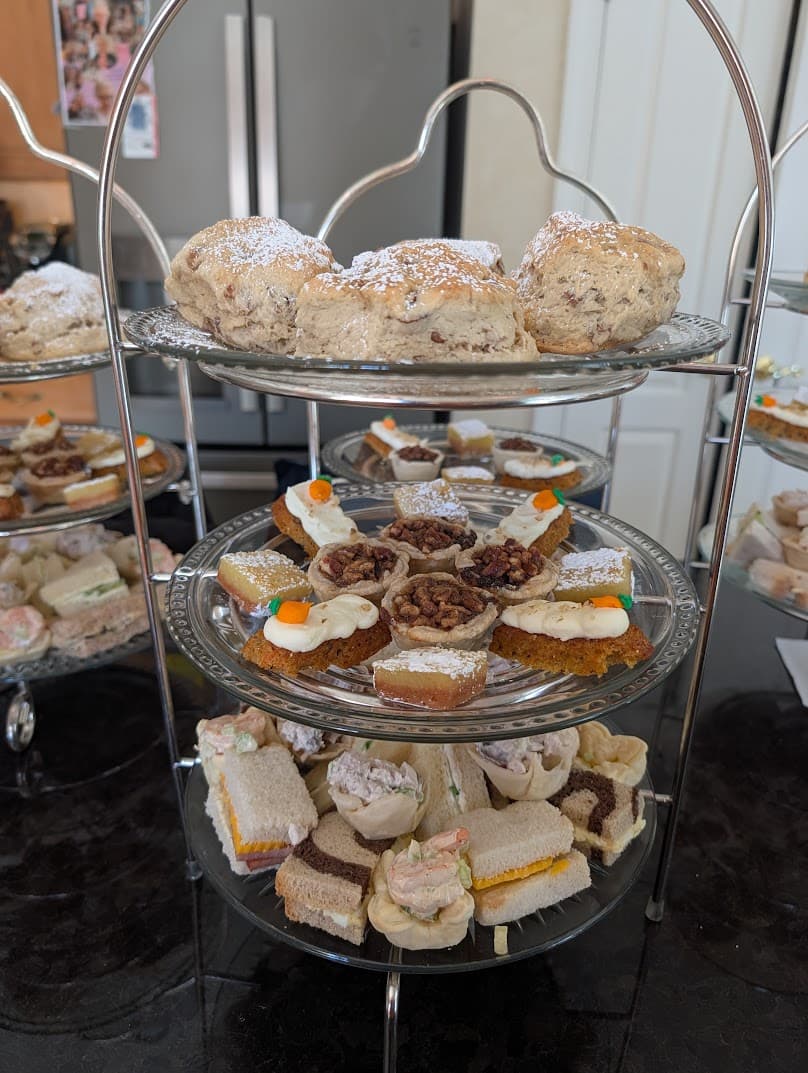
And when you're in the mood for the ultimate tea experience — hot or cold — come visit us at The Tea Trolley in Delta, Pennsylvania, for a traditional afternoon tea service with handcrafted food and 88 premium loose leaf teas to choose from.
Browse our loose leaf teas/loose-leaf-tea) or reserve your afternoon tea — we'd love to see you.
Table of Contents
Experience Traditional Afternoon Tea in Delta, Pennsylvania
Learn about afternoon tea — then experience it for yourself at The Tea Trolley, a historic Victorian tea room in Delta, PA.