How to Brew Green Tea: Perfect Temperature, Time & Technique
How to Brew Green Tea: Perfect Temperature, Time & Technique
Green tea is one of the most popular teas in the world — but it's also one of the easiest to brew badly. If your green tea has ever tasted bitter, harsh, or disappointingly flat, the problem almost certainly wasn't the tea itself. It was the brewing.
The good news? Once you understand a few simple principles — water temperature, steeping time, and tea-to-water ratio — you can brew green tea that's smooth, sweet, and full of flavor every single time.
Why Green Tea Is Different from Other Teas
All true tea comes from the same plant — Camellia sinensis — but green tea is processed differently from black or oolong tea. After picking, green tea leaves are quickly heated (steamed or pan-fired) to stop oxidation, which preserves their fresh, vegetal character.
This minimal processing is what makes green tea so delicate. It's also why green tea is more sensitive to brewing conditions than black tea. Use water that's too hot or steep for too long, and you'll extract bitter tannins and compounds that overwhelm the tea's natural sweetness.
With the right technique, green tea should taste clean, smooth, and subtly sweet — never bitter.
The #1 Rule: Don't Use Boiling Water
This is the single most important tip for brewing green tea, and the one most people get wrong.
Boiling water (212°F / 100°C) is too hot for green tea. It scalds the delicate leaves, releasing an excess of bitter tannins and catechins that overpower the tea's natural flavor.
The ideal temperature for green tea is 160-180°F (70-82°C) — significantly below boiling.
Here's a quick guide by green tea type:
| Green Tea Type | Ideal Temperature | Notes |
|----------------|-------------------|-------|
| Japanese Sencha | 160-170°F (70-77°C) | Lower temps bring out sweetness |
| Gyokuro | 140-160°F (60-70°C) | Shade-grown, very delicate |
| Chinese Dragon Well | 170-180°F (77-82°C) | Slightly more forgiving |
| Jasmine Green | 170-180°F (77-82°C) | Floral notes shine at moderate temps |
| Matcha | 170-175°F (77-80°C) | Whisked, not steeped |
| Gunpowder Green | 175-185°F (80-85°C) | Rolled leaves, a bit sturdier |
How to Get the Right Temperature
If you don't have a temperature-controlled kettle:
1. Boil water, then wait — After your kettle reaches a full boil, remove it from heat and wait 2-3 minutes. This brings the water down to roughly 170-180°F.
2. Watch the bubbles — "Shrimp eye" bubbles (small bubbles on the bottom) appear around 160°F. "Crab eye" bubbles (slightly larger, starting to rise) appear around 175°F. Either stage is perfect for green tea.
3. Use cool water — Pour a small splash of room-temperature water into your cup first, then add the hot water. This can drop the temperature by 10-15°F quickly.
Pro Tip: A simple kitchen thermometer or a kettle with variable temperature settings takes the guesswork out entirely and is well worth the investment if you drink green tea regularly.
How Long to Steep Green Tea
Steeping time is the second critical factor. Green tea steeps much faster than black tea — and leaving it too long is the second most common cause of bitterness.
Recommended steeping times:
- Japanese green teas (Sencha, Gyokuro): 1-2 minutes
- Chinese green teas (Dragon Well, Jasmine): 2-3 minutes
- Gunpowder green: 2-3 minutes
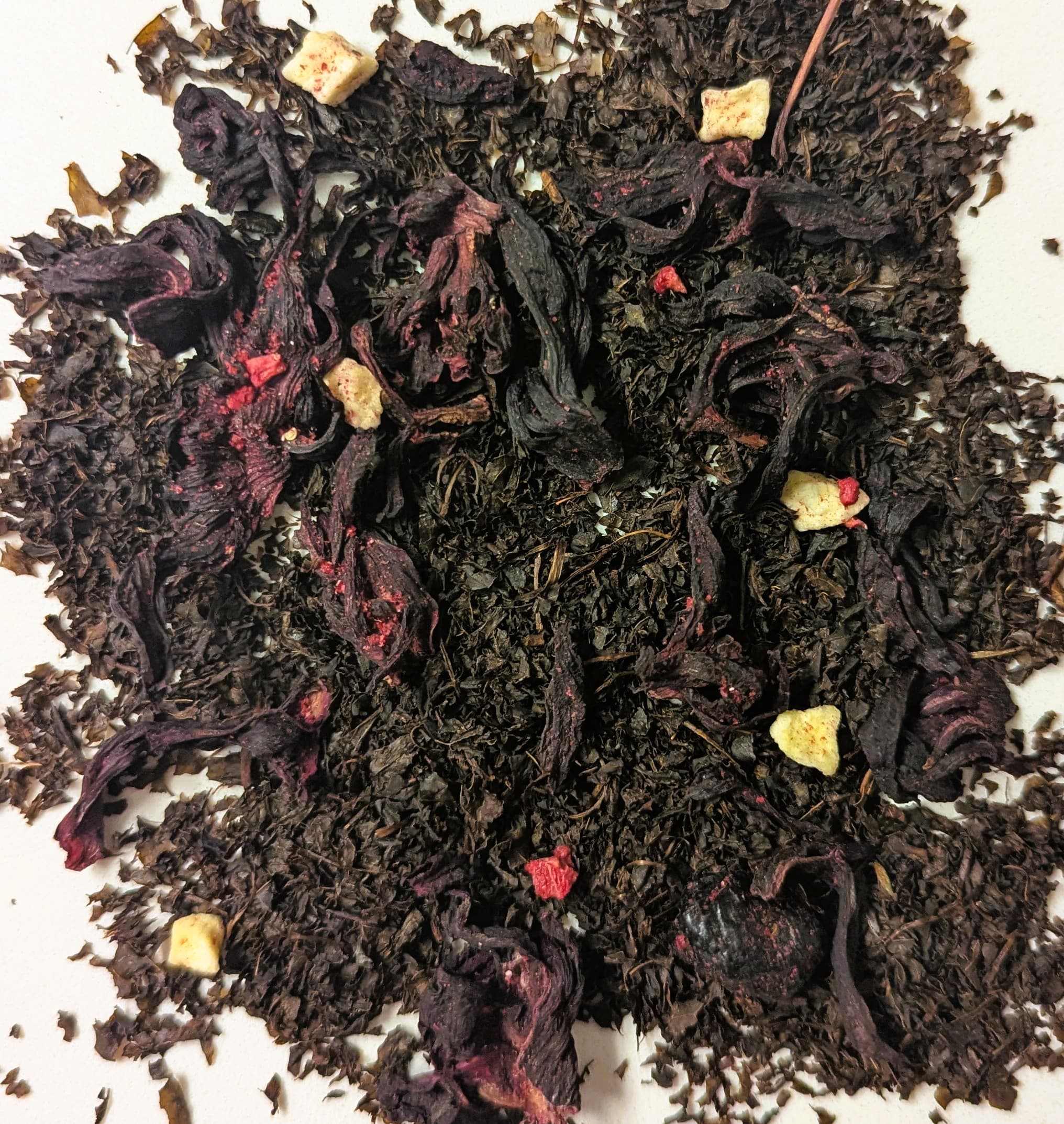
- Flavored green teas: 2-3 minutes
Start with less time, not more. You can always steep a little longer next time if you prefer a stronger cup. You can't un-steep bitter tea.
Pro Tip: Set a timer. It's easy to get distracted and let your green tea sit for 5 minutes — and that's the difference between a lovely cup and a bitter one.
How Much Green Tea to Use
Getting the ratio right ensures balanced flavor without wasting good tea.
**For loose leaf green tea:**
- 1 teaspoon per 8-ounce cup (about 2-3 grams)
- Adjust to taste: more leaves = stronger, fewer = lighter
- Don't pack the measuring spoon — green tea leaves are often large and need room to unfurl
**For green tea bags:**
- 1 bag per 8-ounce cup
- Green tea bags steep a bit faster than loose leaf since the leaves are smaller — check after 1.5 minutes
**For a teapot (multiple cups):**
- 1 teaspoon per cup of water the pot holds
- No need for the "one for the pot" extra that's traditional with black tea — green tea is lighter
Step-by-Step: Brewing Perfect Green Tea
1. Heat Your Water
Bring water to a boil, then let it cool for 2-3 minutes (or use a temperature-controlled kettle set to 170-175°F). Use filtered water if possible — green tea's delicate flavor is easily affected by chlorine or minerals in tap water.
2. Warm Your Cup or Teapot (Optional)
Pour a small amount of hot water into your cup or teapot, swirl it around, and discard. This keeps your brewing vessel warm so the tea doesn't lose heat too quickly during steeping.
3. Add Your Tea
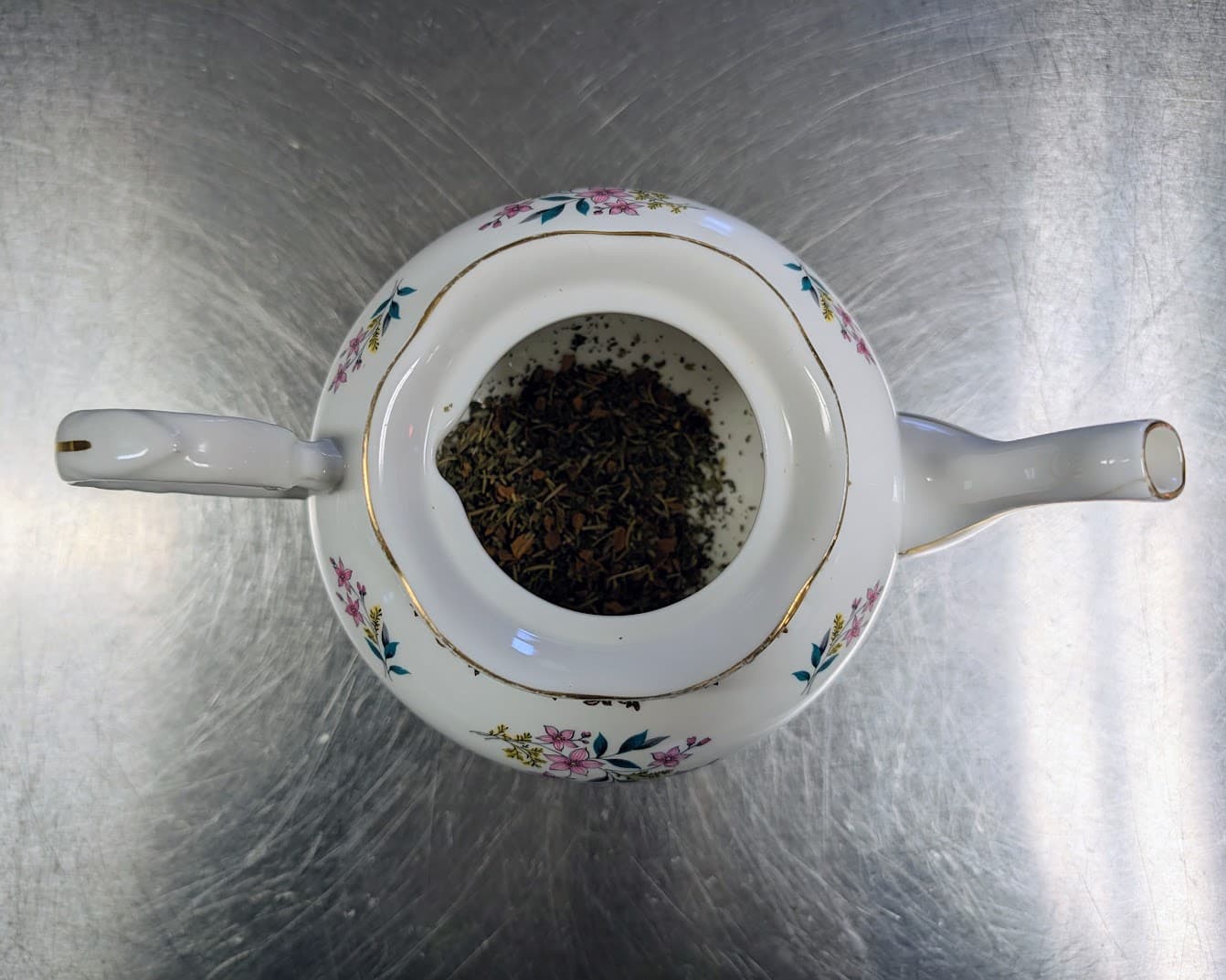
Place your loose leaf tea in an infuser, teapot with a built-in strainer, or directly in the cup if you prefer (you'll strain later). If using a tea bag, place it in the cup.
4. Pour Water Over the Tea
Pour the cooled water over the tea leaves. Make sure the leaves are fully submerged.
5. Steep for 1-3 Minutes
Start your timer. For your first time with a new tea, start at the lower end (1-2 minutes) and taste. You can always steep longer next time.
6. Remove the Tea
This is important — remove the infuser, tea bag, or strain the leaves when steeping is complete. Leaving the leaves in contact with the water will continue the extraction and lead to bitterness.
7. Enjoy
Green tea is best enjoyed without milk. A small drizzle of honey or a squeeze of lemon can complement the flavor nicely, but try it plain first to appreciate the tea's natural character.
Popular Types of Green Tea (and How to Brew Each)
Sencha
The most popular Japanese green tea. Steamed rather than pan-fired, giving it a bright, grassy, slightly vegetal flavor.
- Temp: 160-170°F | Time: 1-2 min | Taste: Fresh, grassy, slightly sweet
Dragon Well (Longjing)
China's most famous green tea. Pan-fired, producing a smooth, nutty, slightly sweet cup.
- Temp: 170-180°F | Time: 2-3 min | Taste: Nutty, smooth, chestnut-like
Jasmine Green Tea
Green tea scented with jasmine blossoms. Floral, aromatic, and naturally sweet.
- Temp: 170-180°F | Time: 2-3 min | Taste: Floral, sweet, aromatic
Gunpowder Green
Chinese green tea with leaves rolled into small pellets. Bolder and slightly smoky.
- Temp: 175-185°F | Time: 2-3 min | Taste: Bold, slightly smoky, earthy
Gyokuro
Premium shade-grown Japanese green tea. Sweet, umami-rich, and very delicate.
- Temp: 140-160°F | Time: 1-2 min | Taste: Sweet, savory, umami
Matcha
Stone-ground Japanese green tea powder, whisked rather than steeped. Intense, creamy, and full of antioxidants.
- Temp: 170-175°F | Method: Whisk 1-2g powder with 2-3 oz water | Taste: Rich, creamy, umami
Can You Re-Steep Green Tea?
Yes — and you should. High-quality loose leaf green tea can be steeped multiple times, and each steeping reveals different flavor notes.
For re-steeping:
- Add 30 seconds to each subsequent steep
- Use the same water temperature
- Quality loose leaf tea can usually handle 2-4 steepings
- Japanese green teas (especially Gyokuro) are famous for tasting best on the second or third steep
Re-steeping is one of the best reasons to invest in quality loose leaf tea — you get more cups and more complexity from the same leaves.
Common Green Tea Mistakes (and How to Fix Them)
Mistake 1: Water too hot
- Fix: Let boiled water cool for 2-3 minutes, or use a temperature-controlled kettle
Mistake 2: Steeping too long
- Fix: Set a timer and start with 1-2 minutes. Taste before adding more time.
Mistake 3: Using too much tea
- Fix: Stick to 1 teaspoon per 8 oz cup. More leaves doesn't always mean better flavor — it can mean more bitterness.
Mistake 4: Using stale tea
- Fix: Store green tea in an airtight container away from light, heat, and moisture. Green tea is best consumed within 6-12 months of purchase.
Mistake 5: Adding boiling water directly to the cup
- Fix: Pour the hot water into a separate vessel first to cool it slightly, or let the kettle sit for a few minutes after boiling.
Green Tea and Caffeine
Green tea contains caffeine, but significantly less than coffee or even black tea:
- Green tea: 25-50 mg per 8 oz cup
- Black tea: 40-70 mg per 8 oz cup
- Coffee: 95-200 mg per 8 oz cup
Brewing at lower temperatures and shorter steep times (as recommended for green tea) also extracts less caffeine. If you're particularly sensitive, try steeping for just 1 minute, or explore cold brewing your green tea for an even lower-caffeine option.
Green Tea Health Benefits
Green tea is widely studied and associated with several potential health benefits:
- Rich in antioxidants — Green tea is packed with catechins (especially EGCG), powerful antioxidants that may help protect cells from damage
- Supports heart health — Some studies suggest regular green tea consumption may help maintain healthy cholesterol levels
- Gentle energy boost — The combination of caffeine and L-theanine provides calm, focused energy without the jitteriness of coffee
- Supports metabolism — Green tea has been linked to modest metabolic benefits, though it's not a miracle weight-loss solution
- Anti-inflammatory properties — The antioxidants in green tea may help reduce inflammation
To get the most health benefits from green tea, brew it properly (not too hot, not too long) and drink it regularly — 2-3 cups per day is a good target.
Start Brewing Better Green Tea Today
Green tea rewards good technique. By simply using the right water temperature and watching your steeping time, you can transform your green tea from bitter and flat to smooth, sweet, and genuinely enjoyable.
If you're looking for premium loose leaf green teas to try, explore our loose leaf tea buyer's guide for tips on finding the best quality tea, or check out our complete tea equipment and brewing guide for tools and techniques to elevate your brewing.
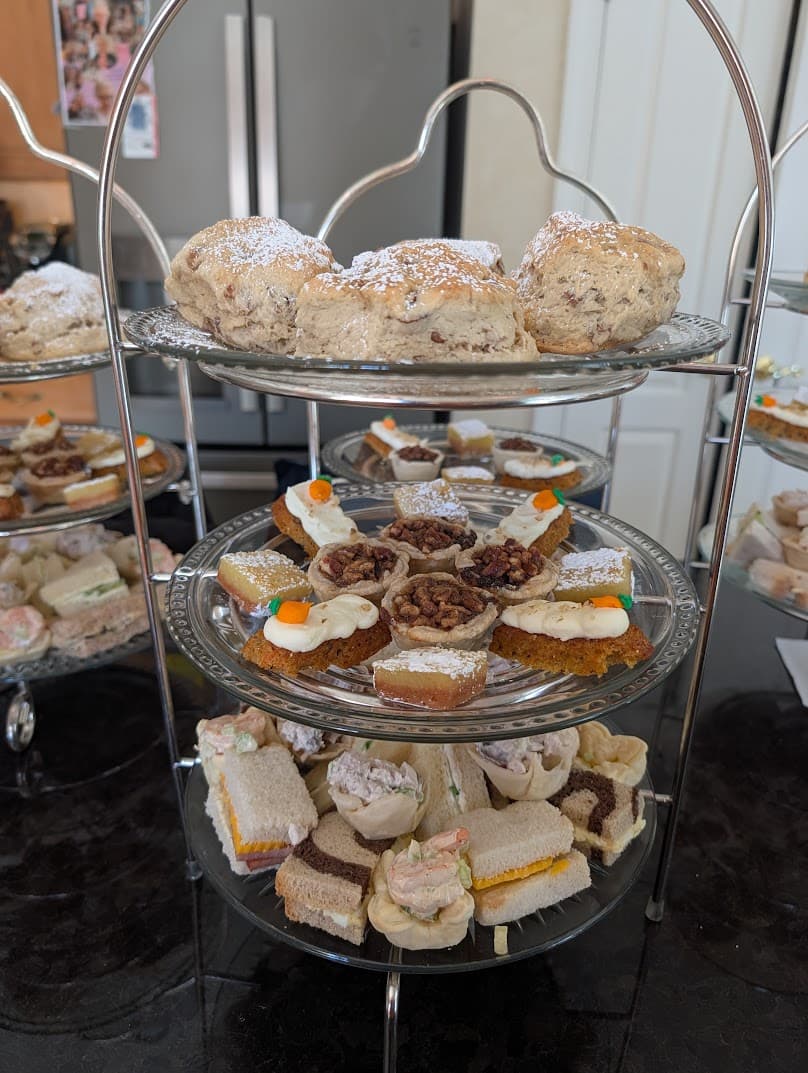
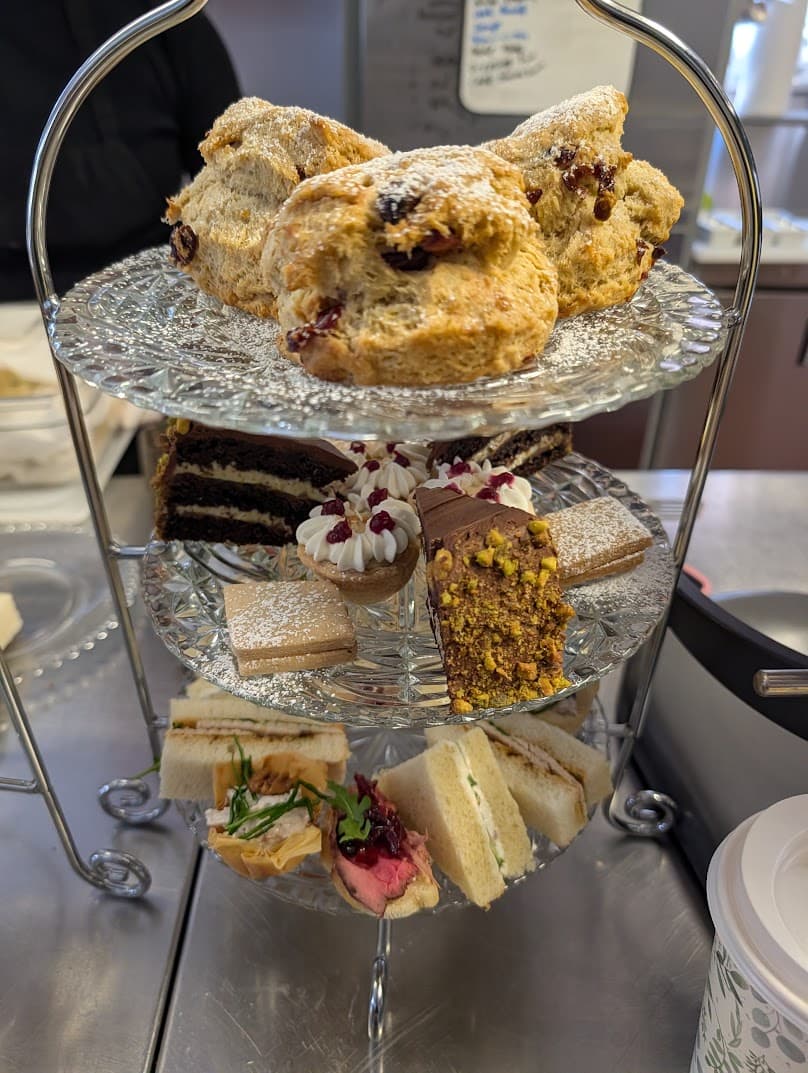
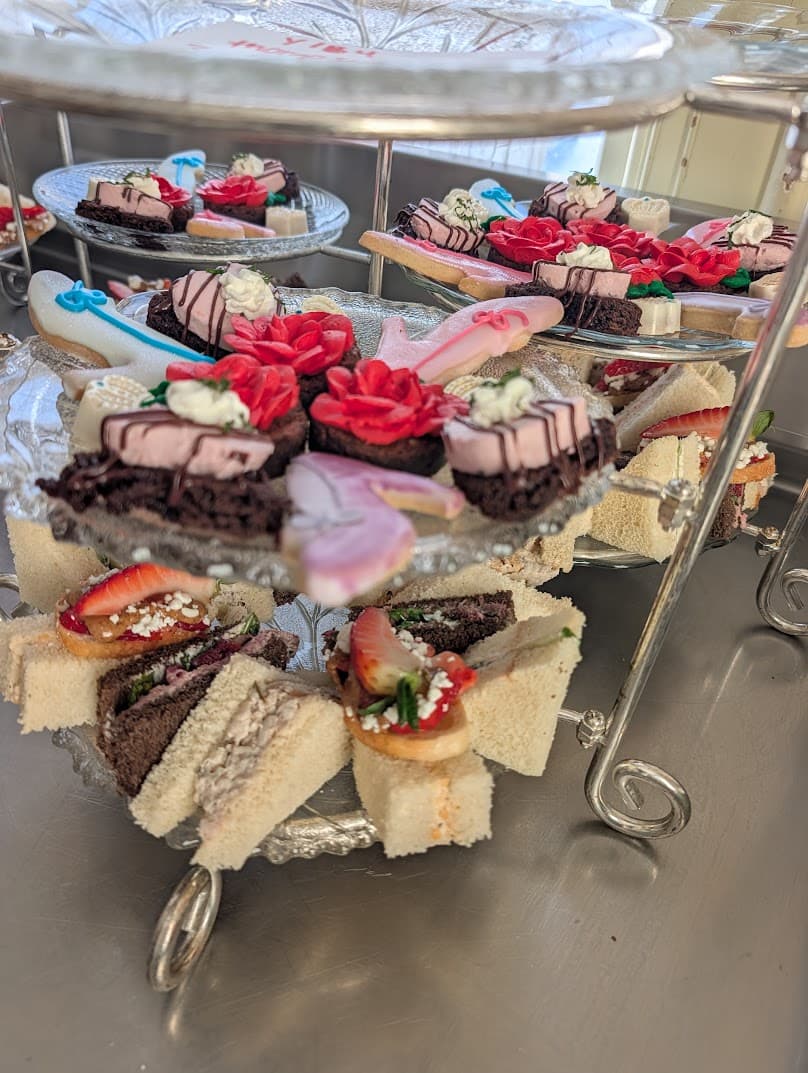
And when you're ready for a full tea experience beyond your kitchen, we'd love to welcome you at The Tea Trolley in Delta, Pennsylvania. Our 88-tea menu includes beautiful Japanese and Chinese green teas, served alongside handcrafted savories and sweets in our historic Victorian tea room.
Browse our loose leaf teas/loose-leaf-tea) or reserve your afternoon tea — we'd love to see you.
Table of Contents

Experience Traditional Afternoon Tea in Delta, Pennsylvania
Learn about afternoon tea — then experience it for yourself at The Tea Trolley, a historic Victorian tea room in Delta, PA.